

Exploring Offshore Casinos: A Guide to Online Gaming Freedom
Offshore casinos have gained immense popularity in recent years, offering players the chance to indulge in online gambling with fewer restrictions and greater variety. For those seeking to understand this fascinating world, Offshore Casinos international offshore casinos provide unique opportunities that conventional online casinos might not offer. In this article, we will delve into what offshore casinos are, their benefits, how they operate, and the regulatory environment surrounding them.
What Are Offshore Casinos?
Offshore casinos are online gambling platforms that operate outside the jurisdiction of the player’s home country. They are often licensed and regulated by authorities in various jurisdictions renowned for their lenient regulations on online gambling. These jurisdictions can include countries like Costa Rica, Curacao, and Malta, among others.
History and Evolution
The surge in online gambling began in the mid-1990s when the first online casinos were launched. However, the legality and regulation of these casinos varied significantly around the globe. As countries began to realize the potential tax revenues from online gambling, many opted to create favorable conditions for operators, leading to the rise of offshore casinos. Their popularity grew substantially as players sought alternatives to restricted or heavily regulated domestic options.
Benefits of Offshore Casinos
There are several compelling reasons why players choose offshore casinos:
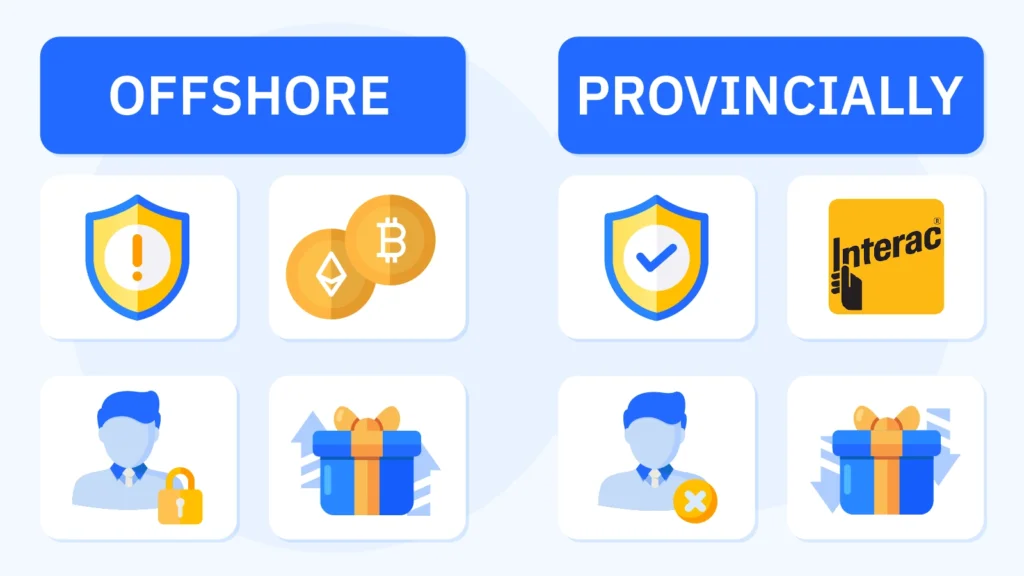
- Greater Game Variety: Offshore casinos tend to offer a broader range of games, including unique slots and specialized table games that may not be available at local casinos.
- Attractive Bonuses and Promotions: Many offshore casinos offer generous bonuses, such as welcome bonuses, no deposit bonuses, and loyalty rewards, designed to attract and retain players.
- Anonymity and Privacy: Players often prefer offshore casinos for their ability to maintain privacy since these platforms may not require extensive personal information compared to domestic options.
- More Flexible Payment Options: Offshore casinos frequently support various payment methods, including cryptocurrencies, e-wallets, and other alternatives that may not be available to players in their jurisdictions.
How Offshore Casinos Operate
Offshore casinos generally operate under a license from their home jurisdiction. These operations are often run by companies based in countries with favorable tax regulations and lenient gambling laws. They utilize advanced technology to provide players with a seamless gaming experience, ensuring high-quality graphics, sound, and user-friendly interfaces.
Regulations and Licensing
The regulation of offshore casinos can vary greatly depending on the licensing authority. Some of the most reputable licenses come from jurisdictions with established frameworks, such as:
- Malta Gaming Authority (MGA): Known for its rigorous licensing process, the MGA is one of the most respected regulatory bodies.
- UK Gambling Commission (UKGC): Although primarily for UK residents, many offshore casinos adhere to UK standards due to their reputation.
- Curacao eGaming: Offers more accessible licensing for operators but lacks some of the consumer protections provided by stricter jurisdictions.
Choosing a casino with a reputable license is crucial for ensuring player safety and fair gaming practices.
Risks and Considerations
While offshore casinos offer numerous advantages, players must also be aware of potential risks:
- Lack of Consumer Protections: Regulations can be less stringent, increasing the risk of scams or unfair practices.
- Withdrawal Issues: Some players report difficulties in withdrawing their winnings from offshore casinos, especially if the operator becomes unresponsive.
- Legal Implications: Depending on the player’s jurisdiction, accessing offshore casinos might breach local laws, potentially leading to penalties.
Choosing the Right Offshore Casino
When selecting an offshore casino, players should consider several factors:
- Licensing: Verify the casino is licensed by a reputable regulatory authority.
- Game Selection: Look for casinos that offer a wide variety of games that meet your preferences.
- Customer Support: Ensure the casino provides reliable customer support through various channels.
- Payment Options: Review the available payment methods and check for any fees associated with deposits and withdrawals.
- Player Reviews: Reading reviews from other players can provide insights into the casino’s reputation and reliability.
Conclusion
Offshore casinos represent a vibrant aspect of the online gaming industry, providing players with exciting opportunities and diverse gaming experiences. However, as with any form of gambling, it’s crucial to approach these platforms with caution and to be well-informed. By understanding how offshore casinos operate, their regulatory landscapes, and weighing their benefits against potential risks, players can enjoy a safer online gambling experience. Whether you’re a seasoned gambler or a newcomer exploring this enticing world, offshore casinos can offer a unique escape from the ordinary.